
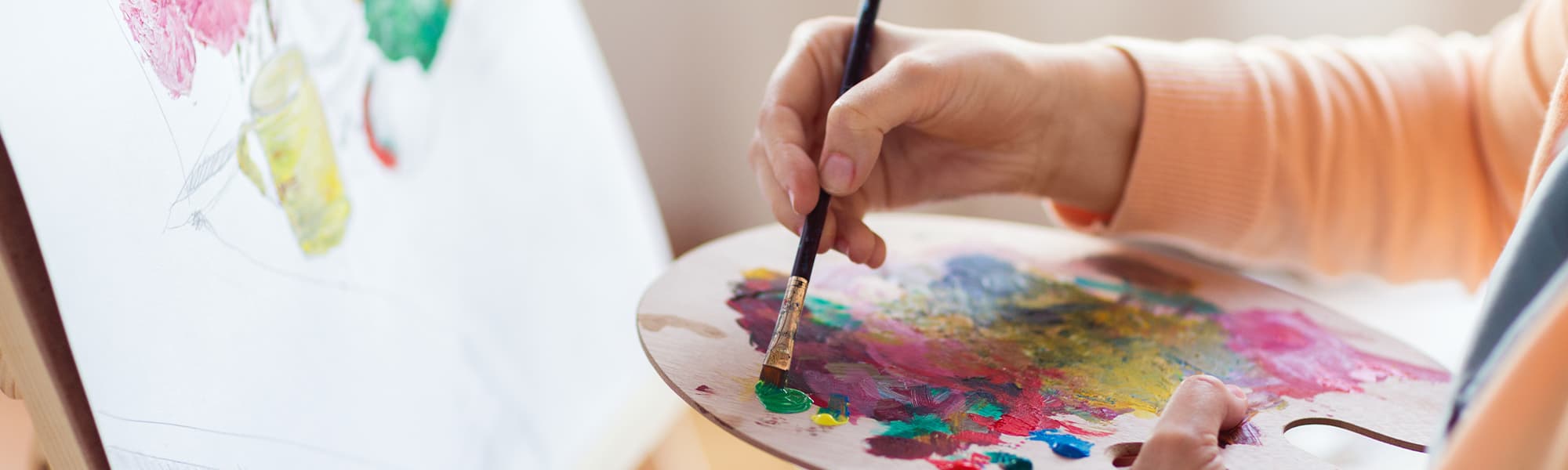
The Benefits of Art and How to Start Learning at Any Age
Published on
Art is often seen as a hobby or luxury, but it’s much more than that — it’s a vital part of human expression that supports mental, physical, and emotional well-being. Whether it’s painting, music, sculpture, or dance, engaging in the arts can enrich life at any stage. And the best part? It’s never too late to start.
At Duncaster, residents are discovering that creativity knows no age limit. Through art workshops, music programs, and cultural events, they’re finding joy, purpose, and connection every day.
Let’s take a closer look at the benefits of art and some simple strategies to start learning at any age and experience level.
Cognitive Health Benefits of Art
Engaging in the arts stimulates the brain in ways that promote lifelong learning and cognitive health. Creative activities help adults stay mentally sharp, boost memory, and improve focus. Studies show that:
- Art improves cognitive function: Activities such as drawing or sculpting activate multiple brain regions, enhancing problem solving and critical thinking.
- Art lowers stress levels: The rhythmic and mindful nature of painting, knitting, or playing an instrument helps reduce cortisol, the body’s stress hormone.
- Art can delay cognitive decline: Research shows that older adults who regularly participate in artistic activities experience slower cognitive aging and have a lower risk of developing dementia.
Physical Health Benefits of Art
Creating art isn’t just good for the mind; it’s good for the body too. Many forms of art involve gentle movement, coordination, and sensory engagement that promote physical wellness.
- Fine motor skills: Activities such as pottery or watercolor painting strengthen hand-eye coordination and dexterity.
- Balance and movement: Dance, theater, and even choir singing encourage posture awareness, breathing control, and gentle exercise.
- Pain management: Creative expression can help reduce chronic pain by shifting attention, easing tension, and fostering relaxation.
Emotional Health Benefits of Art
Art gives voice to emotion and helps people process their inner experiences in a positive, restorative way. Whether expressing joy, grief, or nostalgia, creative outlets support emotional regulation and healing. Art brings:
- Connection: Participating in group art activities fosters social bonds, reducing loneliness — a major concern for many older adults.
- Purpose: Creating something tangible instills a sense of accomplishment and meaning, defeating boredom, listlessness, and apathy.
- Joy: Simply put, art brings happiness. It allows people to express individuality, explore memories, and celebrate imagination.
- Mindfulness: Many find that art offers a pathway to mindfulness — a way to stay present, centered, and engaged in the moment.
How to Start Learning Art at Any Age
The beauty of art is that it’s accessible to everyone. You don’t need prior experience or natural talent. You just need curiosity and a willingness to experiment. Here are five tips for getting started:
- Choose a Medium That Inspires You
Start with what feels exciting, whether that’s watercolor painting, singing, dancing, photography, or creative writing. Visual arts can be especially rewarding because progress can be seen and shared.
- Join a Class or Club
Community classes and art programs provide instruction, structure, and social connection. Learning with others keeps motivation high and offers a sense of camaraderie.
See how we integrate lessons, workshops, performances, and more into life at Duncaster!
- Experiment Without Judgment
Let go of perfectionism. The process is more important than the outcome. Every brushstroke or note played contributes to your creative growth.
- Incorporate Art Into Daily Life
Listen to music while cooking, sketch in a journal, or take a photo walk around your neighborhood. Creativity flourishes in small, consistent moments.
- Attend Performances and Exhibits
Surround yourself with inspiration. Visiting galleries, concerts, or theater productions can spark new ideas and reignite a passion for learning.
Discover the Arts at Duncaster
At Duncaster, residents embrace creativity as part of daily living. Our independent living community offers an impressive range of artistic opportunities designed to engage the mind, body, and spirit, such as:
- Art studios and workshops where residents explore painting, pottery, and mixed media.
- Music and performance programs that bring people together through choir rehearsals, concerts, and special events.
- Cultural excursions to museums, galleries, and theaters that keep inspiration flowing.
- Lifelong learning opportunities, including lectures, creative writing groups, and visiting artist sessions.
These programs not only foster artistic skill but also nurture friendships and confidence. Duncaster’s holistic approach ensures that residents can keep exploring their creative sides at every age, whether they’re discovering a new passion or rekindling an old one.
Art connects us to ourselves and to each other. It sparks joy, keeps the brain active, and turns ordinary days into opportunities for discovery. At Duncaster, creativity thrives. From painting to music to movement, residents are encouraged to explore their passions in a supportive, vibrant environment.
Ready to live in a community that celebrates creativity? Learn more about independent living at Duncaster.
Duncaster is Hartford County’s premier nonprofit Life Plan community. Here on our 94-acre campus, you can enjoy an active lifestyle filled with friendship, art, culture, education, and wellness — plus exceptional service from our staff. Adjacent to LaSalette Open Space and its miles of lovely scenic walking trails, our community offers relaxed country living only minutes away from exciting dining and cultural experiences in and around Bloomfield. Learn more about our community, or schedule a tour today to see why doctors, educators, entrepreneurs, musicians, and many others call Duncaster home.